Ghee has been a staple in Indian cooking for centuries, known for its rich flavour and high smoke point. With the rise of A2 milk, a new contender has entered the ring: A2 desi cow ghee. So is A2 ghee truly better than ordinary ghee? Let us look at the science and tradition behind this golden goodness.
The A2 milk advantage
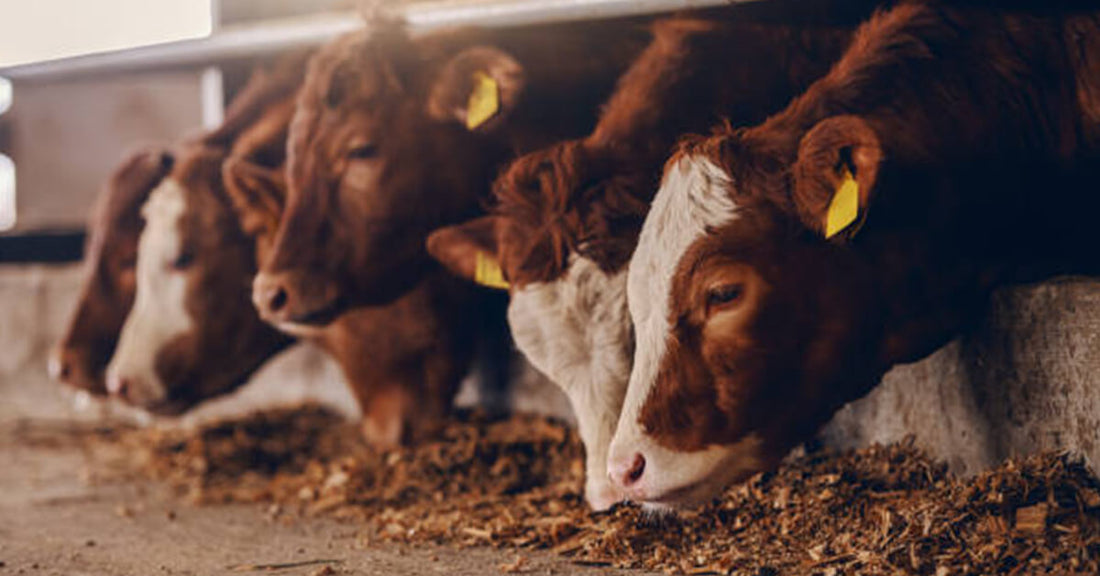
The key difference lies in the milk. Regular ghee is made from milk that contains two types of beta-casein protein, A1 and A2. A2 milk, sourced from indigenous desi cows, naturally contains only A2 beta-casein. Research is ongoing, but some studies suggest A1 beta-casein may be harder for some people to digest, so A2 ghee could be a more stomach-friendly choice.
A legacy of potential health benefits
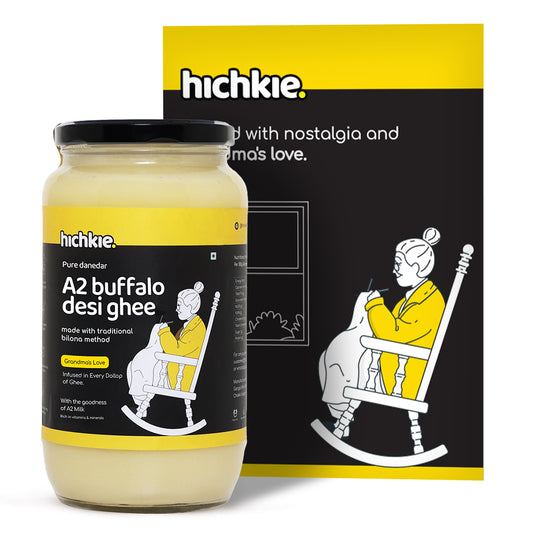
Hichkie, built on a 50-year legacy of handcrafted purity, uses the traditional bilona method to make its A2 desi cow ghee. This careful process aims for the highest quality and may bring a range of benefits:
- Nutrient powerhouse: desi cow milk is rich in nutrients, so A2 ghee may offer vitamins A, E, and K along with beneficial fatty acids.
- Gut friendly: A2 ghee, made from A2 milk, may be easier to digest for some people.
- Immune support: A2 ghee is believed to have anti-inflammatory and antioxidant properties.
Tradition meets flavour
Hichkie's A2 desi cow ghee is not just about health. It has a rich, nutty taste that lifts any dish, and the bilona method adds a handcrafted, authentic touch to your cooking.
Making the switch
If you want a flavourful cooking fat with potential digestive and health benefits, A2 desi cow ghee is worth exploring. Embrace the golden upgrade and shop our A2 cow ghee, bilona-churned and lab-tested.